Rafael Washington · 10 September 2026
The Railroad Networks That Crisscrossed Western Pennsylvania Left Lasting Marks on Small Communities Like the One in Westmoreland County Where Tracks Once Converged at a Major Roundhouse Facility
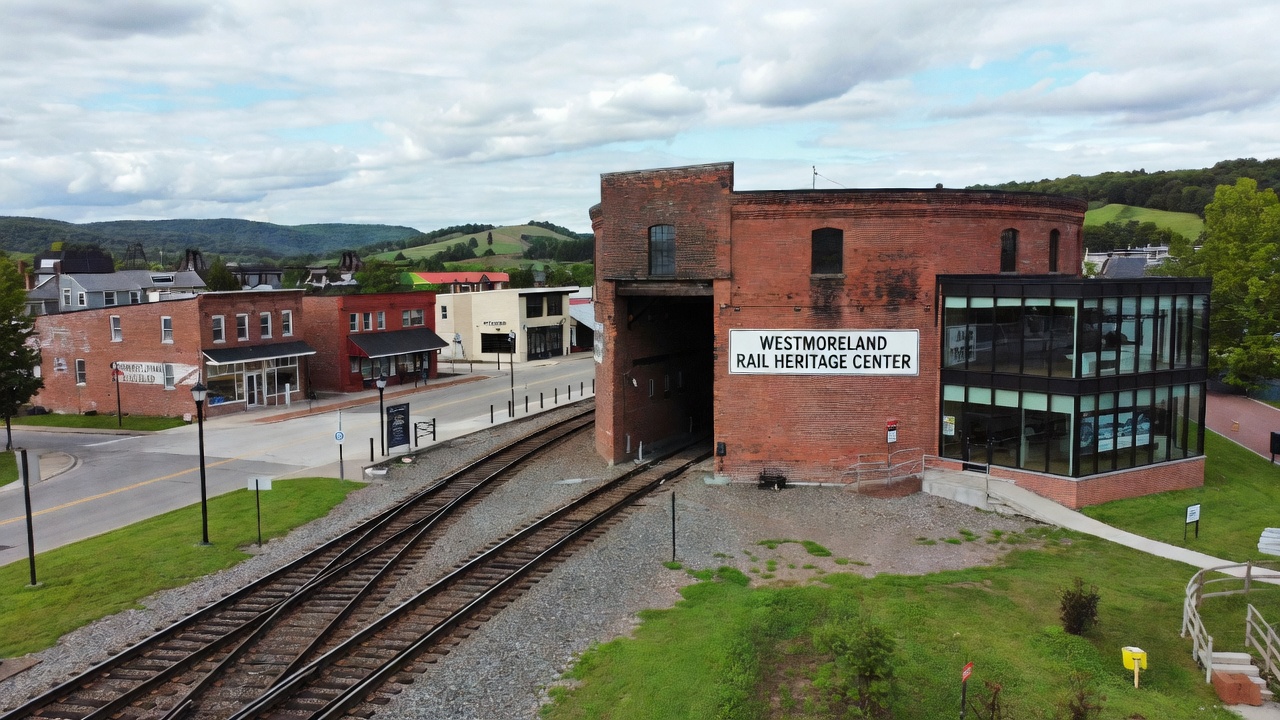
Western Pennsylvania's railroad networks developed rapidly during the 19th and early 20th centuries as coal, steel, and freight operations expanded across the region, and communities in Westmoreland County benefited directly from junctions where multiple lines met at roundhouse facilities designed for locomotive maintenance and turning.
Tracks converged at these sites because engineers selected locations with level terrain and access to water and coal supplies, which allowed crews to service engines efficiently while connecting industrial towns to broader markets in Pittsburgh and beyond.
Early Development of Rail Lines
Construction crews laid the first major routes through Westmoreland County in the 1850s as part of the Pennsylvania Railroad's expansion, and subsequent branch lines added connections that funneled coal from nearby mines directly to the roundhouse for servicing before trains continued west or east.
Data from the Federal Railroad Administration shows that by 1900 more than 1,200 miles of track operated in western Pennsylvania, with several key junctions concentrated in the county where maintenance facilities handled dozens of locomotives daily.
Role of the Roundhouse Facility
The roundhouse itself featured a turntable at its center surrounded by stalls that housed engines for repairs, and workers performed everything from wheel replacements to boiler inspections on site, which kept operations running without long delays for trains moving through the network.
Records indicate the facility employed over 300 people at its peak in the 1920s, and local businesses grew around the rail yard to supply parts, food, and lodging for crews who laid over between shifts.
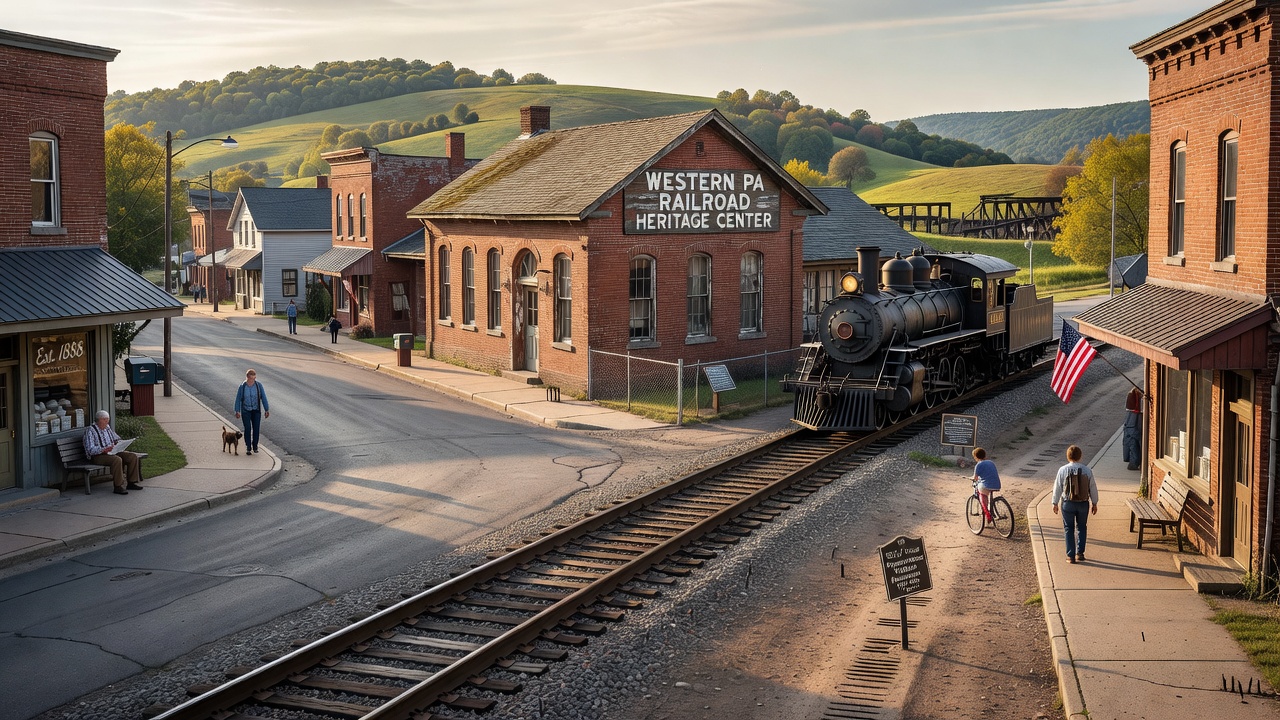
Freight volumes increased steadily through the 1940s as steel production surged during World War II, yet the introduction of diesel locomotives in the 1950s reduced the need for such extensive servicing because diesels required fewer stops and less frequent maintenance compared with steam engines.
Economic and Social Impacts on Local Communities
Population figures from the U.S. Census Bureau reveal that towns near the roundhouse grew from a few hundred residents in 1880 to several thousand by 1930, and many families relied on rail-related jobs for generations while schools and housing developments followed the employment patterns.
After the roundhouse closed in the 1960s as railroads consolidated and shifted to centralized maintenance hubs, employment dropped sharply, but the physical tracks and remaining rail infrastructure continued to shape land use and transportation routes for decades afterward.
Transport Canada studies on similar industrial rail sites in Ontario note parallel patterns where former junctions left behind brownfield areas that required environmental remediation before redevelopment could occur, and Westmoreland County officials have followed comparable cleanup protocols at the old facility.
Modern Changes and Future Plans
By the 1990s many of the original tracks had been removed or repurposed for short-line operations, while heritage groups began documenting the roundhouse foundations and turntable pit as part of regional history projects that connect to broader Pennsylvania rail narratives.
In September 2026 a traveling exhibit on mid-century rail maintenance practices will arrive in the county as part of a multi-state tour organized by the National Railroad Historical Society, and visitors will view artifacts recovered from the site alongside maps showing how the network once linked small communities to national markets.
Current rail traffic in the area consists primarily of unit coal trains and intermodal freight that bypass the old junction, yet the remaining rights-of-way still influence local planning decisions for trails and utility corridors that reuse the graded paths.
Conclusion
The convergence of tracks at the Westmoreland County roundhouse created a focal point for both industrial activity and community growth that persisted long after the facility itself ceased operations, and the physical remnants along with employment patterns continue to define the area's relationship to the broader railroad system of western Pennsylvania.
Researchers tracking transportation history note that such sites offer concrete examples of how infrastructure decisions from the steam era still affect land use and economic activity in the present day.