Olivia Schmidt · 8 October 2026
The Growth of Volunteer Fire Companies and Their Influence on Social Connections in Southwestern Pennsylvania Boroughs
Volunteer fire companies emerged in southwestern Pennsylvania boroughs during the nineteenth century as communities expanded alongside railroads and coal operations, and these organizations quickly became centers for local coordination and mutual support. Records from Westmoreland County show that groups formed in places such as Youngwood and Scottdale around the 1870s, where residents pooled resources to purchase hand-pumped engines and establish alarm systems that relied on church bells and whistle signals from nearby mills.
Early companies operated without paid staff, so members raised funds through community events that included fairs, dances, and subscription drives, and these activities drew participants from surrounding farms and company towns. Data from local historical archives indicate that by 1900 more than a dozen such companies operated across the region, each maintaining equipment houses that doubled as meeting halls for discussions on infrastructure improvements and public safety measures.
Expansion Through Industrial Growth
Borough populations increased rapidly with the arrival of steel mills and coke works, and volunteer companies adapted by recruiting from diverse ethnic groups that settled in the area. Census figures reveal that companies in Monessen and Donora incorporated members from Italian, Polish, and African American neighborhoods, which allowed training sessions and response drills to serve as regular points of contact across social lines. Equipment upgrades during this period included steam pumpers purchased through joint contributions from businesses and residents, and these investments required ongoing coordination that strengthened neighborhood ties.
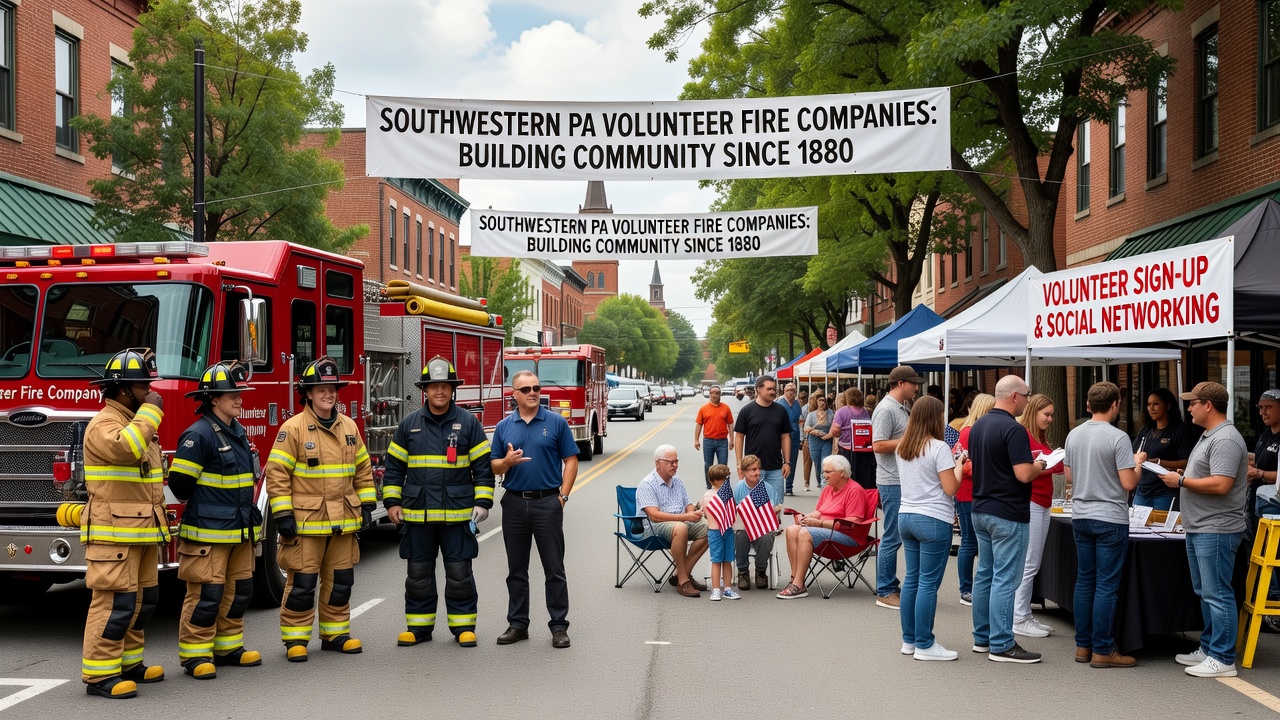
Researchers at the Pennsylvania Historical and Museum Commission have documented how fire companies hosted annual parades that featured marching bands and decorated apparatus, events that attracted spectators from multiple boroughs and created opportunities for informal business networking and family introductions. Participation numbers from 1910 to 1930 show steady growth, with some companies reporting rosters exceeding one hundred active volunteers who attended weekly drills and monthly business meetings.
Building Lasting Community Networks
Fire companies extended their reach beyond emergency response by organizing youth programs and auxiliary groups that included women who prepared refreshments for events and maintained supply inventories. Studies from the University of Pittsburgh archives highlight how these auxiliaries facilitated information exchange on topics such as child welfare and local employment, turning the firehouse into a hub where residents addressed broader civic concerns. In boroughs like Mount Pleasant and Irwin, membership lists overlapped with those of fraternal orders and labor unions, which produced cross-organizational alliances that influenced decisions on road paving and water system expansions.
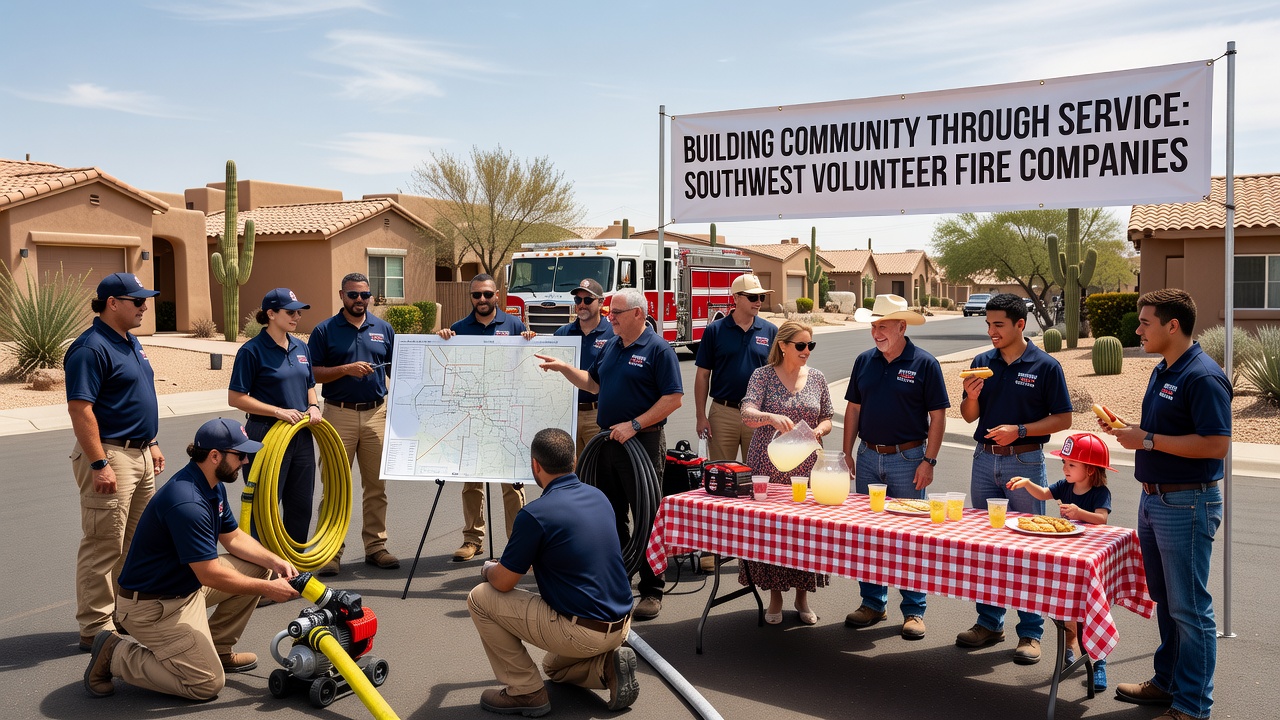
Mutual aid agreements among companies in adjacent towns formalized cooperation during large incidents, and these pacts required joint training exercises that built familiarity between participants from different municipalities. Figures compiled by the National Fire Protection Association show that volunteer departments in western Pennsylvania maintained response coverage across hundreds of square miles through such arrangements, and the regular interaction reinforced a regional identity centered on shared responsibility rather than isolated borough boundaries.
Adaptations in the Twentieth Century
Automotive technology shifted company operations after 1920 when motorized trucks replaced horse-drawn equipment, and borough councils allocated funds for new facilities that accommodated larger vehicles while preserving space for social gatherings. Meeting minutes from the era indicate that companies continued to sponsor sports teams and holiday celebrations, activities that sustained volunteer recruitment even as industrial employment patterns changed. By mid-century, some groups began collaborating with school districts on fire prevention education programs, which introduced younger residents to the organizations and maintained continuity across generations.
Records maintained by county historical societies demonstrate that volunteer companies played measurable roles in disaster recovery following floods and industrial accidents, coordinating donations and labor that extended social support networks into recovery phases. These efforts often intersected with church groups and civic clubs, creating layered connections that persisted beyond single events.
Contemporary Context and Records
Many original companies still operate in southwestern Pennsylvania boroughs, though they now integrate with county dispatch systems and receive supplemental funding through state grants. Membership data collected in recent decades show continued involvement from multi-generational families alongside newer residents, and training requirements set by the Pennsylvania State Fire Academy have standardized procedures while preserving local traditions of community events. Observers note that firehouses remain venues for public meetings on topics ranging from zoning to emergency preparedness, functions that trace directly to patterns established more than a century earlier.
Conclusion
Volunteer fire companies in southwestern Pennsylvania boroughs developed from practical responses to fire risks into durable institutions that supported social networks through shared labor, events, and mutual aid structures. Historical documentation from county archives and academic collections confirms their consistent presence across industrial transitions, and their ongoing activities demonstrate how localized volunteer efforts contributed to regional cohesion over multiple generations.