Amir Coleman · 24 September 2026
How Westmoreland County Boroughs Adapted Public Works Systems After Major Industrial Transitions
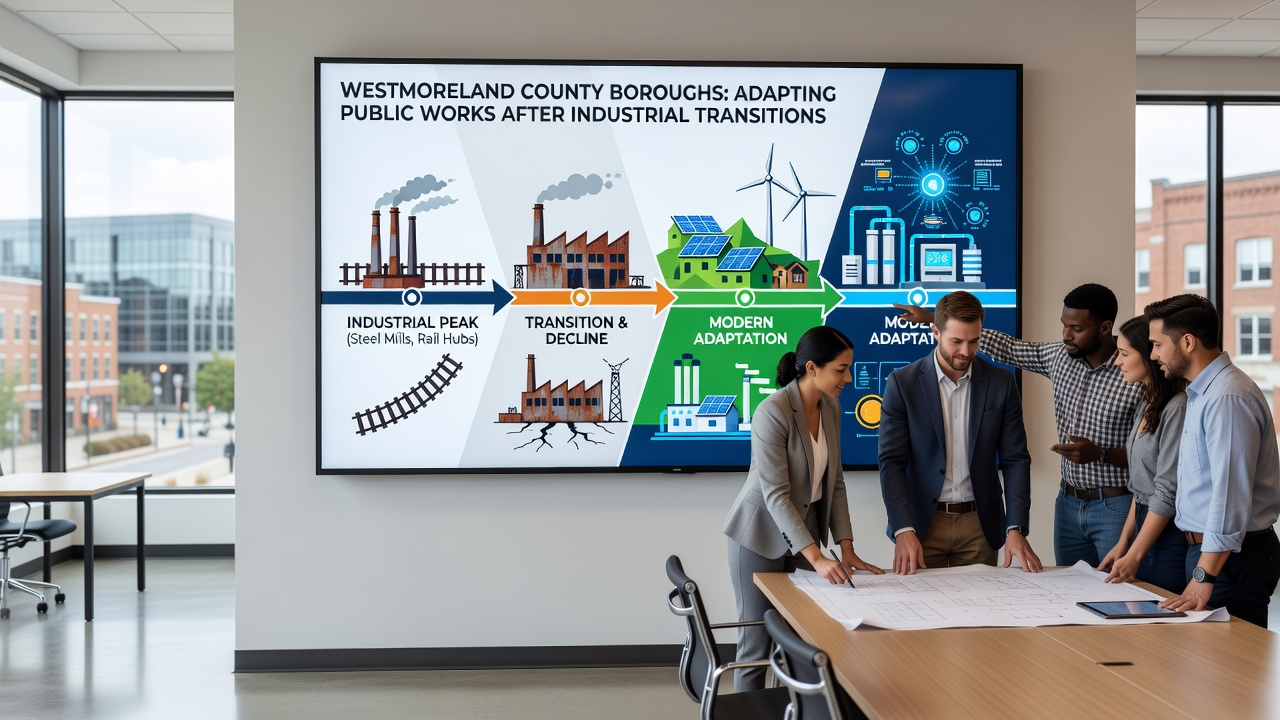
Westmoreland County boroughs shifted their public works operations after the decline of steel production and coal extraction that once dominated the local economy and observers note these changes began in earnest during the late twentieth century when manufacturing employment dropped sharply across communities such as Monessen and Vandergrift. Data from regional planning agencies shows borough leaders redirected resources toward systems designed for smaller populations and mixed-use development rather than heavy industrial loads.
Water and Wastewater Infrastructure Updates
Boroughs invested in modernizing aging treatment plants that had been built to handle high volumes of industrial wastewater while the transition required upgrades to accommodate residential and light commercial flows instead. Studies conducted by the Pennsylvania Department of Environmental Protection indicate that facilities in several municipalities received new filtration technology and monitoring equipment between 2005 and 2015 and these improvements reduced overflow incidents during storm events. Engineers rerouted collection lines away from former mill sites and toward growing residential zones and this work often occurred in phases to maintain service continuity for existing users.
Smaller boroughs consolidated operations through inter-municipal agreements that allowed shared treatment capacity and cost savings followed because redundant plants could be decommissioned. Figures from county records reveal that combined sewer separation projects removed thousands of feet of outdated pipe and replaced them with dedicated stormwater channels in areas like Scottdale and Mount Pleasant.
Road and Utility Network Adjustments
Public works departments adjusted road maintenance priorities once heavy truck traffic from factories diminished and crews focused on resurfacing routes that now served commuter patterns and delivery vehicles for new businesses. Pavement management systems adopted by borough engineers tracked deterioration rates more precisely and this data-driven approach extended the lifespan of asphalt surfaces while reducing annual repair budgets in some cases.
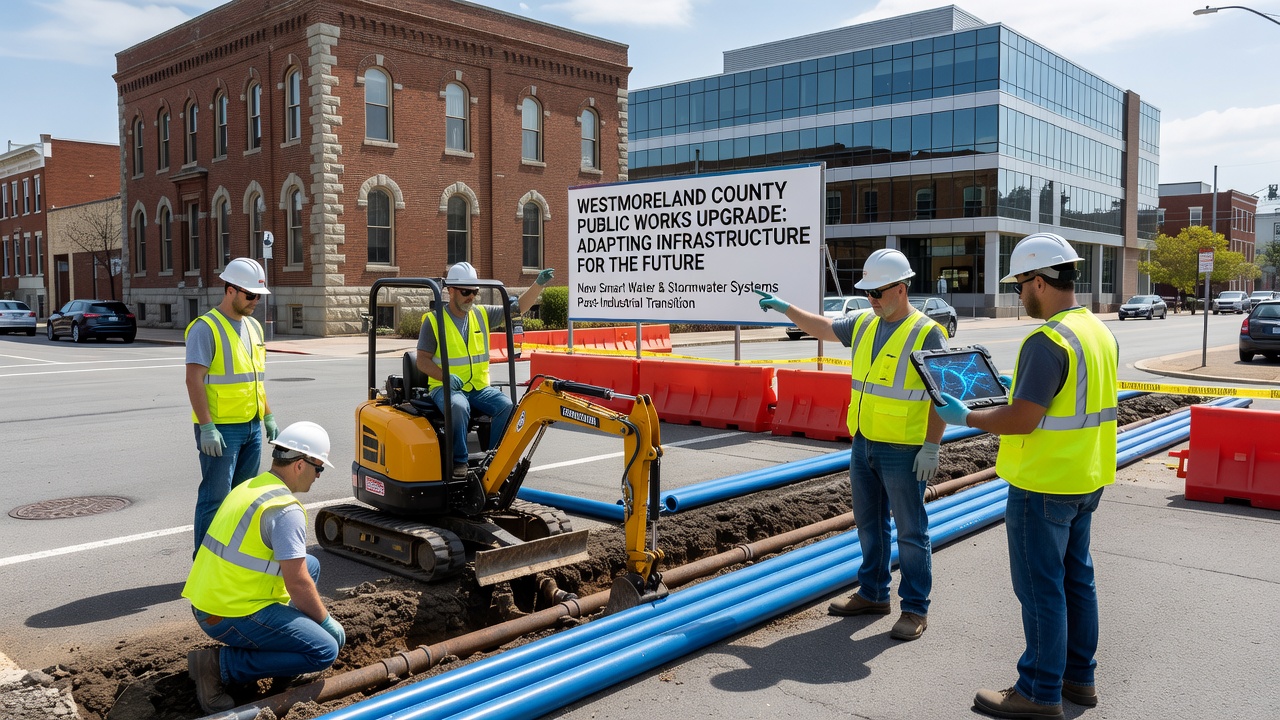
Utility providers coordinated with local governments to relocate or bury overhead lines in corridors that had once supported rail spurs and industrial sidings and the work aligned with broader efforts to improve reliability for broadband and electrical service in mixed residential areas. According to reports from the U.S. Environmental Protection Agency, several Westmoreland County projects incorporated green infrastructure elements such as permeable pavements and bioswales to manage runoff more effectively than older systems allowed.
Waste Management and Environmental Remediation
Transition periods prompted boroughs to overhaul solid waste collection routes that previously centered on large industrial generators and crews adapted schedules to serve dispersed residential neighborhoods while recycling programs expanded to meet state diversion goals. Landfill operators near former mining sites implemented stricter leachate controls and monitoring wells as part of remediation plans that addressed legacy contamination from decades of industrial activity.
Countywide data compiled through 2024 shows increased participation in household hazardous waste collection events and these programs reduced improper disposal incidents that could affect groundwater supplies. Partnerships with state agencies facilitated brownfield redevelopment grants that helped convert old factory grounds into parks or light industrial parks complete with updated utility connections.
Planning for Continued Adaptation in 2026
Officials continue to evaluate system performance against changing climate patterns and population trends and preliminary assessments scheduled for release in September 2026 will provide updated metrics on treatment capacity and road condition indices across the county. These evaluations build on earlier investments that already improved resilience against extreme weather events while supporting economic diversification into logistics and technology sectors.
Conclusion
Boroughs in Westmoreland County completed measurable upgrades to public works infrastructure that matched the post-industrial landscape and ongoing monitoring ensures these systems remain aligned with community needs as development patterns evolve.